Despite the many changes of government, it is still widely believed in Berlin that the French president ultimately has the decisive say in international policy—whether with regard to Ukraine, Gaza, or ongoing EU negotiations.
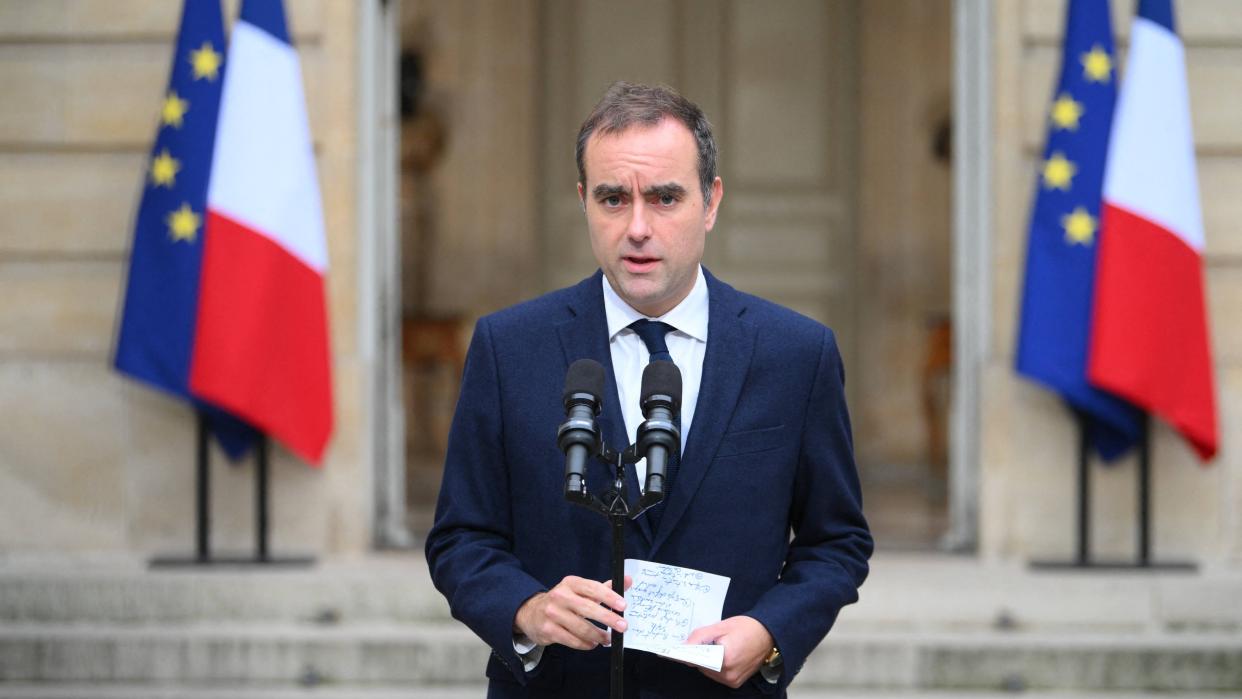
On Monday, following outgoing Prime Minister Sébastien Lecornu's resignation announcement, German government spokesperson Stefan Kornelius commented that Macron should be given “a little space” and warned against dramatizing the situation. The comments were fatally reminiscent of the 2024 U.S. presidential campaign, when the former German government largely ignored the possibility of Donald Trump's return to the White House.
Publicly, Berlin gives the impression that it does not recognize (or does not want to recognize) how rapidly Macron is losing control of French politics. In late August, an ambitious bilateral agenda was adopted at the Franco-German Council of Ministers meeting in Toulon. Much of this agenda could soon be obsolete, especially if the far-right National Rally emerges as the clear winner in the next elections, whether in Parliament or for the presidency. Defense-industrial cooperation, compromises on energy, and international trade policy: all of these risk becoming bargaining chips in an increasingly sovereigntist debate in France.
This commentary was first published on October 9, 2025, as part of Carnegie Europe’s Strategic Europe series. The full publication is available here.